Performance Engineering for Backend APIs
 By Venkitesh B
| September 2, 2026
By Venkitesh B
| September 2, 2026
In today’s digital landscape, users expect applications to respond quickly and reliably. Whether it’s a web application, mobile app, or third-party integration, API performance plays a critical role in delivering a seamless user experience. Even a slight increase in response time can impact user satisfaction and system scalability.
Performance engineering is the process of designing, developing, testing, and continuously improving applications to ensure they perform efficiently under different workloads. Unlike performance tuning, which is often done after issues arise, performance engineering focuses on building performance into the application from the beginning.
This article discusses practical techniques that backend developers can use to build high-performance APIs using Python, FastAPI, SQLAlchemy, and PostgreSQL.
Why API Performance Matters
Every API request consumes server resources such as CPU, memory, network bandwidth, and database connections. As the number of users increases, inefficient APIs can quickly become a bottleneck.
A well-performing API offers several benefits:
- Faster response times
- Better user experience
- Improved scalability
- Lower infrastructure costs
- Higher system reliability
Instead of simply adding more servers, optimizing the application often provides a more effective and cost-efficient solution.
1. Identify Performance Bottlenecks
Before making improvements, it’s important to understand where time is being spent during an API request.
Common bottlenecks include:
- Slow database queries
- Excessive API calls
- Blocking operations
- Large response payloads
- Poor application logic
- External service delays
Monitoring tools, application logs, and profiling utilities help identify the actual cause of performance issues rather than relying on assumptions.
2. Optimize Database Queries
The database is often the largest contributor to API response time.
Some effective optimization techniques include:
- Retrieve only the required columns.
- Create indexes on frequently queried fields.
- Avoid unnecessary database queries.
- Use efficient JOIN operations.
- Implement pagination for large datasets.
- Analyze queries using EXPLAIN ANALYZE.
Even small improvements in database queries can significantly reduce API response time.
3. Use Asynchronous Programming
Modern frameworks like FastAPI support asynchronous programming using Python’s async and await keywords.
Asynchronous programming allows the server to handle multiple requests efficiently while waiting for database operations or external API calls to complete.
It is particularly beneficial for:
- File uploads
- API integrations
- Database operations
- Long-running I/O tasks
Using asynchronous endpoints appropriately can improve throughput and reduce request latency.
4. Implement Caching
Repeatedly fetching the same data from the database increases unnecessary load.
Caching stores frequently accessed data temporarily, allowing future requests to be served much faster.
Common use cases include:
- Application configuration
- User profiles
- Product catalogs
- Dashboard statistics
- Frequently accessed reports
Technologies such as Redis are widely used to improve API performance through caching.
5. Optimize Database Connections
Opening a new database connection for every request is expensive.
Connection pooling allows applications to reuse existing database connections instead of creating new ones repeatedly.
Benefits include:
- Reduced connection overhead
- Faster query execution
- Better scalability
- Improved resource utilization
SQLAlchemy provides built-in support for connection pooling, making it easier to manage database connections efficiently.
6. Reduce Response Payload Size
Large API responses consume more bandwidth and increase processing time.
Developers can optimize payloads by:
- Returning only required fields
- Compressing responses
- Using pagination
- Avoiding unnecessary nested objects
Smaller responses improve performance, especially for users on slower network connections.
7. Monitor and Profile APIs
Performance optimization is an ongoing process.
Key metrics to monitor include:
- API response time
- Database query execution time
- CPU usage
- Memory consumption
- Error rates
- Requests per second
Profiling and monitoring help identify performance regressions and ensure APIs continue to perform well as the application grows.
8. Perform Load Testing
Applications should be tested under realistic traffic conditions before deployment.
Load testing helps determine:
- Maximum concurrent users
- System stability under load
- Response time under heavy traffic
- Resource utilization
- Performance bottlenecks
Popular tools such as Locust and k6 can simulate thousands of concurrent requests, helping teams validate application performance before production.
Best Practices Checklist
Before deploying a production API, consider the following checklist:
- Optimize database queries.
- Use proper indexing.
- Implement caching where appropriate.
- Use asynchronous programming for I/O-bound tasks.
- Reuse database connections through connection pooling.
- Minimize API response payloads.
- Continuously monitor application performance.
- Perform regular load testing.
Following these practices helps ensure that APIs remain reliable and scalable as traffic increases.
Performance engineering is more than improving response times, it is about designing backend systems that remain fast, reliable, and scalable throughout their lifecycle. By identifying bottlenecks, optimizing database queries, using asynchronous programming, implementing caching, managing database connections efficiently, and continuously monitoring performance, developers can build APIs that handle increasing workloads without compromising user experience.
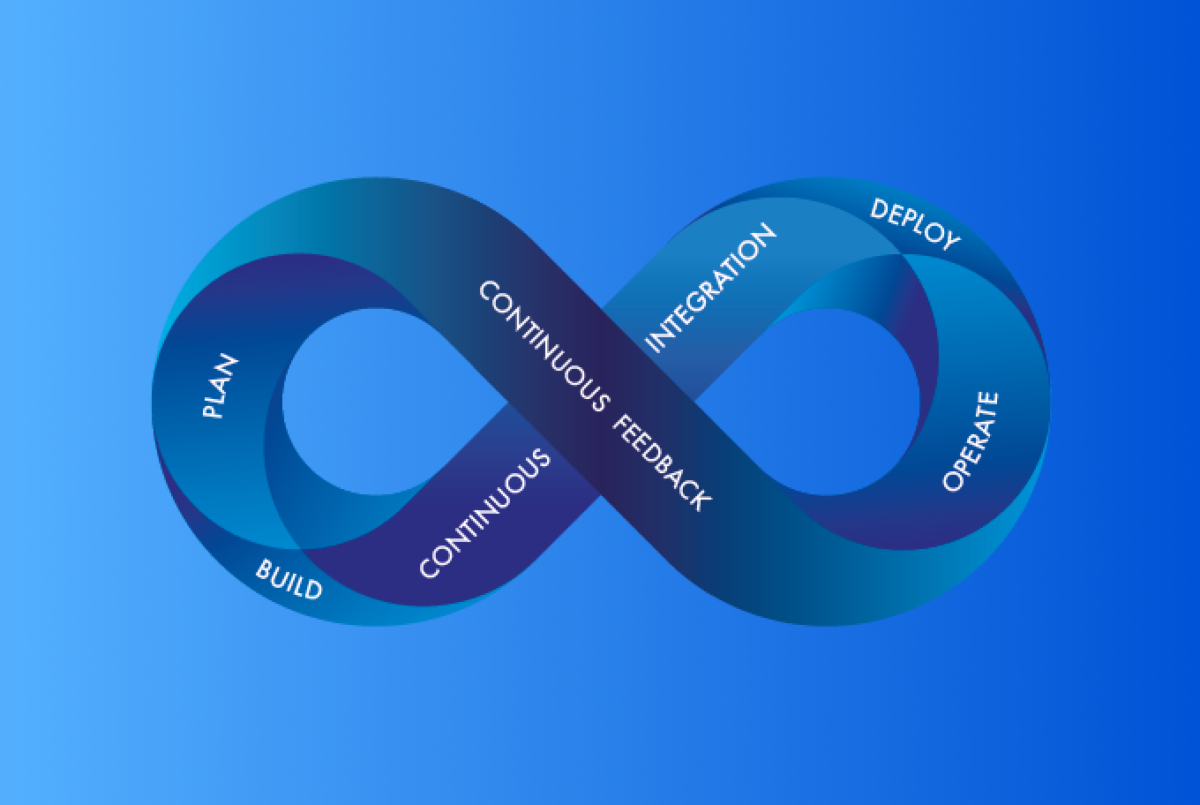
For Python developers using FastAPI, SQLAlchemy, and PostgreSQL, adopting these best practices early in the development process can significantly improve application performance and reduce future maintenance efforts. As applications evolve, performance engineering should remain a continuous process of measurement, optimization, and improvement.
Author
Related articles

Contact us

Leave us basic information about a project and we will get back to you with answer
Need instant answers?
Our AI assistant is available 24/7 to answer questions on pricing, timelines, and project scope.
Click Here