What Will Power AI Data Centres? The Growing Energy Challenge
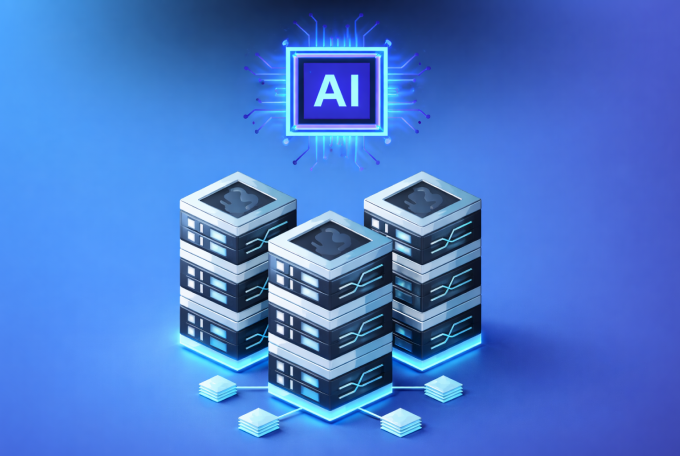
AI data centre energy demand is rising rapidly as Artificial Intelligence transforms industries worldwide. From generative AI to large-scale machine learning systems, the infrastructure supporting these technologies is expanding at an unprecedented pace. At the center of this transformation are AI data centres – high-performance facilities that store, process, and analyze massive volumes of data.
However, their rapid growth raises a critical question: how can these energy-intensive systems be powered sustainably?
Rising Electricity Demand
Global electricity demand is entering a new phase of acceleration. While growth was relatively stable for years, emerging technologies are now driving a sharp increase in consumption. Key contributors include:
- Expansion of data centres
- Adoption of electric vehicles
- Growth of green hydrogen production
- Deployment of 5G networks and IoT devices
Together, these trends are reshaping global energy requirements.
The Power Behind AI Infrastructure
AI data centres are significantly more energy-intensive than traditional facilities. Unlike standard servers, they rely on GPUs to train and run complex models.
- Traditional server racks: 15–20 kW
- AI GPU racks: 80–150 kW
This 5 – 8x increase makes AI one of the largest drivers of data centre electricity demand.
Globally, data centre energy consumption is projected to rise sharply:
- 2024: ~460 TWh
- 2030: >1,000 TWh
- 2035: ~1,300 TWh
This near tripling reflects the scale of AI-driven growth.
Global Expansion of Data Centres
Data centre capacity is expanding rapidly across major regions. The United States currently leads, with significant hubs in Virginia, Texas, and Arizona. Meanwhile, countries across Europe and Asia are scaling infrastructure to support AI, cloud computing, and digital services.
Powering the Future: Energy Mix
To meet both performance and climate goals, data centres rely on a mix of energy sources:
- Renewables (solar, wind): Low-carbon but intermittent
- Energy storage: Balances supply fluctuations
- Green hydrogen: Emerging clean fuel option
- Natural gas: Backup for reliability
Emerging Technologies
New energy solutions are being explored to support continuous, large-scale demand:
- Geothermal energy
- Nuclear fusion (experimental)
- Small Modular Reactors (SMRs)
Among these, SMRs are gaining significant attention.
The Role of SMRs
Small Modular Reactors are compact nuclear systems designed for flexible deployment and reliable output. They offer:
- Scalable power generation
- Lower construction complexity
- Advanced passive safety systems
- Continuous 24/7 electricity
Unlike renewable sources, SMRs provide stable baseload power, critical for uninterrupted data centre operations.
The Road Ahead
As AI adoption accelerates, energy demand will grow in parallel. Meeting this challenge will require a balanced approach, combining renewables, storage technologies, and next-generation nuclear solutions.
The future of AI infrastructure will depend not just on computing power, but on how effectively the world can power it.
Related articles



Contact us

Leave us basic information about a project and we will get back to you with answer
Need instant answers?
Our AI assistant is available 24/7 to answer questions on pricing, timelines, and project scope.
Click Here